| Product
Description |
|
Chemico A - 30 are water based
dispersions of nano - sized Antimony Pentaoxide used with
halogenated flame retardants to increase their efficiency when
used in flame retardant treatments of materials such as
textiles, nonwoven, adhesive lattices, and coatings.
|
| Compounding
Information |
|
Chemico A - 30 aqueous dispersions
are supplied at approximately pH5 and, in nearly all
applications, should have the pH adjusted before compounding
with any latex. This adjustment assures full utilization of the
colloidal particles without agglomeration or latex
destabilization. Follow the latex manufactures recommendations
for the optimum pH. Neutralize using ammonium hydroxide, which
will volatilize during the drying and curing of latex film.
Chemico A-30 : Typical lattices require an approximate
pH of 9. This will require approximately ½ pound of 28%
ammonium hydroxide to 10 pounds of A-30. Add with good
mixing.
|
| Properties |
| Antimony Pentaoxide Sb2O5 |
29% |
| pH |
5 |
| Viscosity in centipoises |
5 |
| Specific Gravity |
1.37 |
|
| For
further information please contact:- |
Mr. B. K. Jain
Director - Technical
Tel. :- (0091) (11) 22167148, 22143971/81
Mobile :- 9810005428
E-mail :
chemico@del2.vsnl.net.in |
|
| Formulating
Guidelines |
|
The total amount and ratio of flame
retardants needed depend upon the severity of the test
requirements and the material being treated. In most cases,
optimum flame retardant performance in a halogen/antimony system
is attained when the Halogen and antimony are used at 3 : 1 mole
ratio. Exceptions are PVC and PVCD lattices which contain high
levels of chlorine, so we recommended the antimony pentaoxide be
added to your formulation until the complete system passes the
required flame test.
|
| Formula
Example |
|
This simple FR application for the
finishing nonwoven polyester fiber padding for automotive
interiors consists of a 'hard' PVC latex, Chemico A - 30,
water and some ammonia solution : To 10 parts Chemico A - 30,
add 40 parts water with sufficient ammonia to bring the pH to 9,
mix the water and the A - 30, add 50 parts PVC latex.
These ingredients are mixed, sprayed onto the nonwoven padding,
and heat cured.
|
| Benefits |
- Better penetration of the substrate.
- Less pigmenting or whitening effect for deep mass tone
colours.
- Easier handling and processing. Liquid dispersion will
not clog spray guns.
- Translucency for coatings, films and laminates.
- Easy compounding : no special dispersing equipment
required.
- High FR efficiency for minimal added weight or change in
hand.
|
|
Properties
| Chemical Formula |
Sb2O5 |
| ASSAY (Sb2O5) |
80% Min. |
| Solubility in water |
None |
| Specific Gravity ( H2O - 1 ) |
3.9 |
| Percent Volatile by volume (%) |
2 |
| Appearance / Odor |
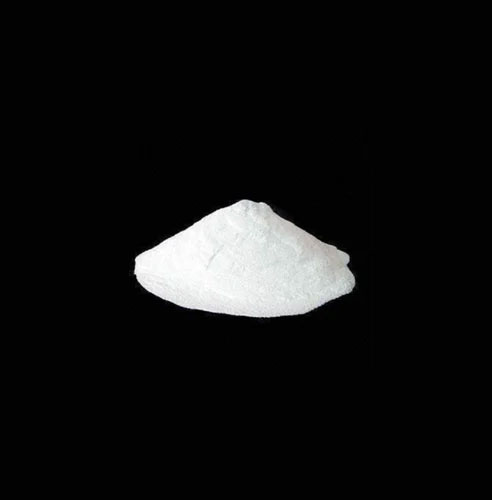
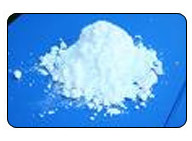
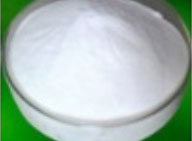
Fine White free flowing powder |
End Use
P.V.C, ABS, HIPS, Poly Propylene, Epoxic.
Benefits
Antimony Pentaoxide (Zero Tint Antimony) has been specifically
developed for flame retarding chloride. It has improved heat stability
when used with Ba/Cd/Zn and phosphite type stabilizers. For better "clear"
can be obtained with antimony pentaoxide with any form of low tint
antimony trioxide. Colour pigment loading can usually be reduced at
least 50% when low tint antimony trioxide is replaced by an equal weight
of antimony pentaoxide. The brilliance of florescent colour is easily
maintained and translucent colours are possible. Regular antimony
trioxide lends itself better to pastel shades, although antimony
trioxide varies in hiding power and batch to batch variations have
caused difficulties. The use of titanium dioxide as white pigment
together with antimony pentaoxide for flame redundancy is preferable for
redproducible colour matching.
| For
further information please contact:- |
Mr. B. K. Jain
Director - Technical
Tel. :- (0091) (11) 22167148, 22143971
Mobile :- 9810005428
E-mail :
chemico@del2.vsnl.net.in |
Packing
25 Kg. HM HDPE Drum with Poly Liner.